Research guide · Tokyo
Tokyo: getting there via Haneda and Narita, neighbourhoods, temples, tickets and the new tax rules in 2026
Plan Tokyo: Keikyu, Skyliner and fixed taxi fares, seven neighbourhoods compared, Senso-ji, Meiji Shrine and Skytree with 2026 prices, climate and taxes.
By Nighthopper editorial teamCreated with AITranslated with AIPublished 16 min read
How this article was made
This English version was translated from the German original with AI and has not been reviewed by a person. The checks described here refer to the German original, which is authoritative.
Text created with AI and checked with AI against the sources listed. Approved by Simon Misiak on .
Editorially responsible: Saimon Misiaki (Simon Misiak).
At a glance
- Keikyu from Haneda: from Terminal 3, according to Keikyu, 11 minutes to Shinagawa, 330 yen, 327 yen with an IC card; last train at 0:08 (as of September 2026).
- Tokyo Subway Ticket: 72 hours on all Tokyo Metro and Toei subway lines for 2,000 yen; with Keikyu from Haneda and back 2,600 yen, this combined ticket is available only in advance online (as of September 2026).
- City Hall in Shinjuku: observation decks at 202 m with no admission, the South Tower until 22:00; Skytree from 1,800 yen (as of September 2026).
- Departure tax: since 1 July 2026, leaving Japan generally costs 3,000 yen, paid through the flight ticket; for some tickets bought earlier the old rate of 1,000 yen still applies.
- Tax-free shopping: for purchases from 1 November 2026, consumption tax is refunded only after the customs check on departure, from 5,000 yen excluding tax per shop and day.
- Tourist tax: 100 or 200 yen per person per night from an accommodation price of 10,000 yen (as of September 2026), from 1 April 2027 then 3% from 13,000 yen.
Getting there from Germany
Airport: Tokyo Haneda (HND)
| From | As the crow flies | Compensation up to |
|---|---|---|
| Frankfurt (FRA) | 9,363 km | €600 |
| Munich (MUC) | 9,359 km | €600 |
| Berlin (BER) | 8,943 km | €600 |
| Düsseldorf (DUS) | 9,328 km | €600 |
| Hamburg (HAM) | 8,988 km | €600 |
Compensation per person under the EU air passenger rights regulation (Regulation (EC) No 261/2004) if the flight arrives 3 hours late or more, or is cancelled less than 14 days before departure — not in extraordinary circumstances such as severe weather. Check whether you’re owed anything →
- Time difference:
- +7 hours
Straight-line distance: our own calculation from airport data (OurAirports).
Tokyo suits you if you want to combine temples, shrines, observation towers and museums and like getting around by train and subway. In 2025 the city government counted around 28.65 million foreign guests, more than ever before. In a survey by the city, nearly nine in ten guests from abroad said they had enjoyed Japanese food in Tokyo.
In 2026 it is mainly the taxes that change. Since 1 July, the departure tax has generally been 3,000 yen, paid through the flight ticket. For purchases from 1 November 2026, consumption tax on tax-free shopping is refunded only after the customs check on departure. From 1 April 2027, Tokyo will charge 3% of the accommodation price as a tourist tax, as soon as it reaches 13,000 yen per person and night.
Tokyo suits you less if you tolerate heat badly: in August the mean daily high is 31.3 °C. September and October are the wettest months, and in September most typhoons approach. At New Year, in Golden Week and around Obon in August, prices rise sharply, according to JNTO.
Getting there and from the airport into the city
With 693,071 passengers from Germany, Tokyo ranked 37th among foreign destinations in 2025, counted at the main German airports for Haneda and Narita together. Three quarters of them flew to Haneda. More than half departed from Frankfurt, a good quarter from Munich. October was the most in demand, January the least (Federal Statistical Office; total of both airports and breakdowns: own analysis).
Flight delayed or cancelled?Check whether you’re owed money under the EU air passenger rights regulation — with every step of the check in plain language.Haneda (HND): Keikyu in 11 minutes to Shinagawa
At Haneda, international flights use Terminal 2 or 3 depending on the airline; check this in advance (as of September 2026). Keikyu runs through to the Toei Asakusa subway line. According to the journey time table, from Terminal 3 it takes 11 minutes to Shinagawa, 20 to Tokyo Station and 34 minutes to Asakusa. From Terminals 1 and 2, 3 to 5 minutes are added in each case.
To Shinagawa the journey costs 330 yen, 327 yen with an IC card, because Keikyu then charges to the exact yen (as of September 2026). The first train from Terminal 3 to Shinagawa leaves at 5:26, the last at 0:08, on weekdays and at weekends alike.
Tip
Keikyu from Haneda: 330 yen to Shinagawa, last train at 0:08
From Tokyo Haneda airport, the Keikyu line takes 11 minutes from Terminal 3 to Shinagawa, according to Keikyu. The journey costs 330 yen, 327 yen with an IC card, and the last train leaves at 0:08. A fixed-fare taxi to Chiyoda ward, by contrast, costs 7,600 yen plus tolls (as of September 2026).
Monorail, bus and taxi from Haneda
The Tokyo Monorail takes 13 minutes to Hamamatsucho, with a train on average every five minutes. From Terminal 3 the journey costs 520 yen, 519 yen with an IC card (Monorail fare table, as of September 2026). The Airport Limousine Bus runs to Shinjuku station, among other places, for 1,400 yen and at night for 2,800 yen (as of 26 September 2026). New timetables apply from 1 October 2026.
For taxis from Haneda, the Tokyo taxi association gives fixed fares per ward, with tolls on top; the current table has applied since 20 April 2026. To Chiyoda ward with the Imperial Palace you pay 7,600 yen, to Shibuya 8,500 yen and to Shinjuku 9,000 yen. Between 22:00 and 5:00 higher night fares apply, to Shinjuku for example 10,700 yen. For Chuo with Ginza, Minato with Roppongi, Shinagawa and Koto, the table gives no fixed fare.
Narita (NRT): Skyliner, Narita Express or bus
From Narita you need around 1 hour 35 minutes by train to Shinjuku and 1 hour 25 minutes to Asakusa. So it says on GO TOKYO, the visitor portal of the Tokyo Convention & Visitors Bureau.
The Keisei Skyliner runs three times an hour, and all seats are reserved. From Airport Terminal 2·3 station it takes 41 minutes to Keisei-Ueno, and it also stops at Nippori. Fare and Skyliner supplement together cost 2,580 yen (own sum, as of September 2026). Without a Skyliner ticket you pay 300 yen more when boarding.
The Narita Express (N'EX) of JR East runs without a change to Tokyo Station and to Shinagawa, Shibuya, Shinjuku and Yokohama. To Tokyo it takes 53 minutes by the fastest train. The regular return fare with a reserved seat to Tokyo is 6,280 yen, the N'EX TOKYO Round Trip Ticket, valid for 14 days, 5,200 yen (as of September 2026). You thus save 1,080 yen (own calculation).
The low-cost buses cost 1,500 yen to Tokyo Station and to Ginza; this price does not apply on early and late flights (as of September 2026). The fixed-fare taxi costs from 29,000 yen to the wards of Chuo, Chiyoda and Taito, and from 31,500 yen to Shinjuku and Shibuya. Tolls are added, and between 22:00 and 5:00 a surcharge.
Getting around: credit card, IC card or travel pass
According to GO TOKYO, trains and buses stop running around midnight. On the Tokyo Metro you pay with “Tap to Ride” directly at the ticket gate, with a contactless credit or debit card, including on a smartphone. It costs as much as the paper ticket. Ten more railways in the region take part, including the Toei subway and Keikyu, three of them only at individual stations; you cannot continue on JR East with it. Only the adult fare applies, and each card only for its holder (as of September 2026).
The rechargeable IC cards Suica and PASMO have been available again without a name since 1 March 2025, against a 500 yen deposit. For short stays, JR East sells the Welcome Suica without a deposit, at machines in Narita and at Terminal 3 in Haneda, among other places. It is valid for 28 days, remaining balance is not refunded, and it can be topped up only with cash yen. TOURIST PASMO is likewise valid for 28 days without a deposit; in Haneda it is sold by Keikyu machines, which also take credit cards (as of September 2026).
Travel passes and combined ticket
The Tokyo Subway Ticket is valid on all Tokyo Metro and Toei subway lines, 24 hours for 1,000 yen, 48 for 1,500 and 72 for 2,000 yen (as of September 2026). The hours run from the first journey. The 24-hour pass for the Tokyo Metro only costs 700 yen; four journeys at the basic fare of 180 yen already cost 720 yen (own calculation).
Tip
Combined ticket from Haneda: Keikyu plus 72 hours of subway for 2,600 yen
If you fly via Haneda, you can get Keikyu to Sengakuji and back together with 72 hours of subway on all Tokyo Metro and Toei subway lines for 2,600 yen. The Subway Ticket alone costs 2,000 yen, so the two rail journeys cost 600 yen in the package (own calculation). You can buy it only in advance online, not at the airport (as of September 2026).
Japan Rail Pass: more expensive at a travel agency from 1 October
The Japan Rail Pass costs 50,000 yen online for 7 days in standard class (as of September 2026). If you buy through a travel agency abroad from 1 October 2026, you pay 53,000 yen. For the “Nozomi” and “Mizuho” Shinkansen you need a special ticket with the pass.
Where to stay: the neighbourhoods compared
In 2025, according to a survey by the city government, 60.3% of foreign guests visited Shibuya, 54.1% Ginza and 51.8% the area around Tokyo Station. The compass directions follow GO TOKYO (as of September 2026).
| Area | Location and connections | Good for | Drawback |
|---|---|---|---|
| Shinjuku (west) | all JR lines, Keio, Odakyu, three subway lines; 14 min. from Tokyo Station | department stores, electronics shops, ramen restaurants, small bars in Kabukicho | In Kabukicho the police warn about touts who lure people into rip-off bars |
| Shibuya (west) | JR, Keio, Tokyu, three metro lines; 20 min. on foot to Harajuku and Omotesando | Scramble Crossing, fashion, the view from SHIBUYA SKY at around 230 m | Since 1 October 2024, drinking on streets and in parks around the station has been forbidden from 18:00 to 5:00 |
| Asakusa (east) | Metro Ginza, Toei Asakusa, Tobu Skytree Line; 20 min. from Tokyo Station | Senso-ji, crafts, kitchenware in Kappabashi | crowds in the Nakamise in the daytime |
| Ginza (centre) | four metro lines and Toei Asakusa; 5 minutes' walk from JR Yurakucho | department stores, Ginza Six, kabuki at the Kabukiza; car-free main street at weekends | no fixed taxi fare from Haneda in the table |
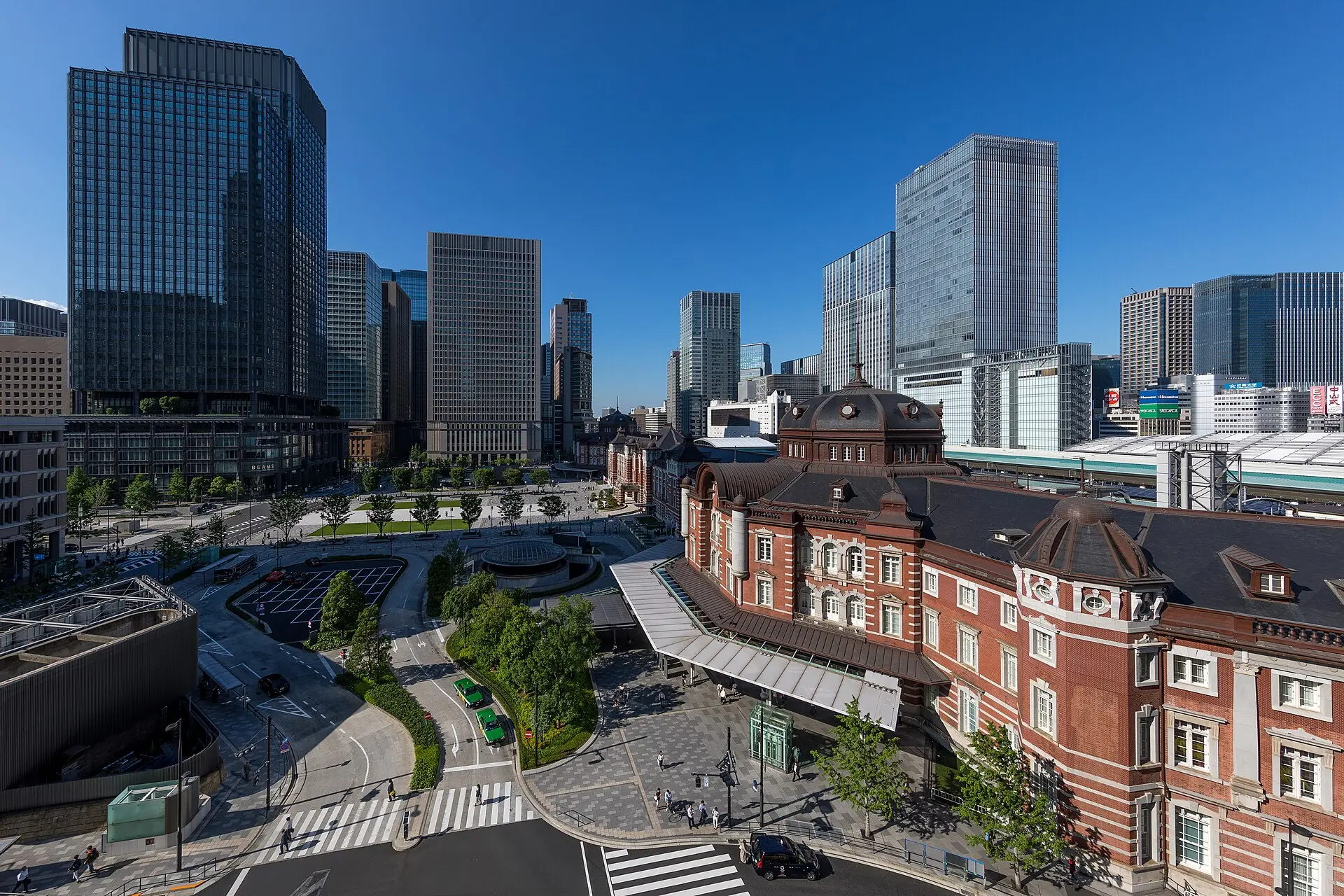
| Tokyo Station and Marunouchi (centre) | Japan's station with the most trains, buses to both airports | Shinkansen to Hokkaido and Kyushu, shops in the station, Imperial Palace nearby | — |
| Ueno (north) | Metro Ginza and Hibiya, Skyliner to Narita; 8 min. from Tokyo Station | Ueno Park with museums and Japan's oldest zoo, Ameyoko market street | The police report many touts and card fraud on Nakamachi-dori |
| Roppongi (south) | Metro Hibiya, Toei Oedo; 9 min. from Shinjuku on the Oedo line | three art museums, Tokyo City View, restaurants where English is used | according to GO TOKYO one of the loudest party districts |
Swipe the table sideways to see all columns.
Where “—” appears, the sources give no drawback.
View package holidaysHotel and flight as a package: dates and current prices for this destination.Sights: times, prices and rules in 2026
Senso-ji: Tokyo's oldest temple
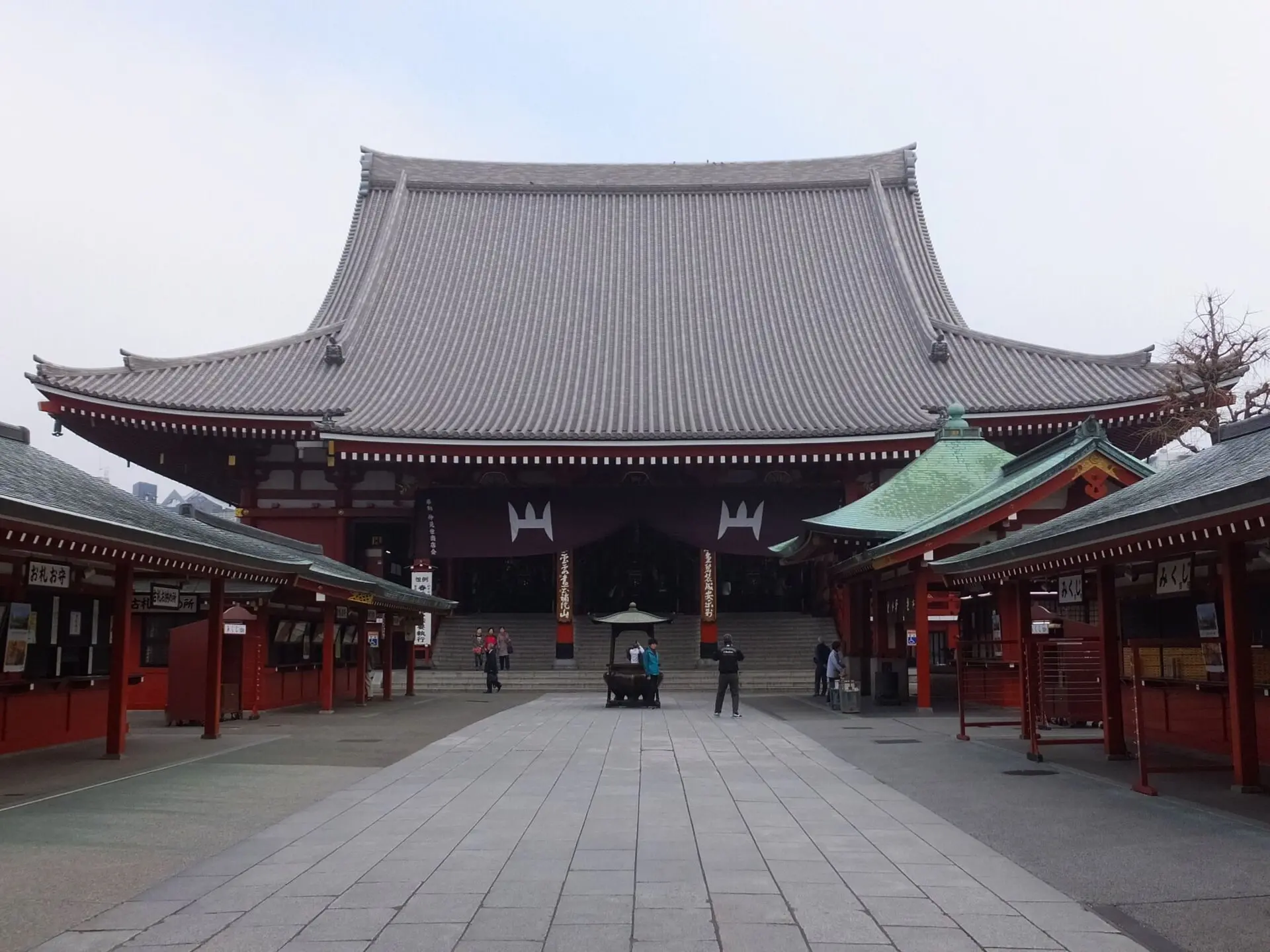
Senso-ji in Asakusa is the oldest temple in the city and, by its own account, counts 30 million visitors a year. The main hall opens at 6:00, from October to March at 6:30, and closes at 17:00 (as of September 2026). GO TOKYO lists the temple as free. The 250 m long Nakamise, with around 90 stalls, leads to the temple; in the evening it is much quieter there.
Meiji Shrine: no admission, open with daylight
Meiji Shrine in Shibuya ward has no admission charge, and the Inner Garden costs 500 yen (as of September 2026). Opening times follow sunrise and sunset: in October 5:40 to 16:40, in December 6:40 to 16:00. For the shrine alone, the administration reckons about an hour. There is no left-luggage facility for suitcases on the grounds.
Imperial Palace East Garden: free, closed Mondays and Fridays
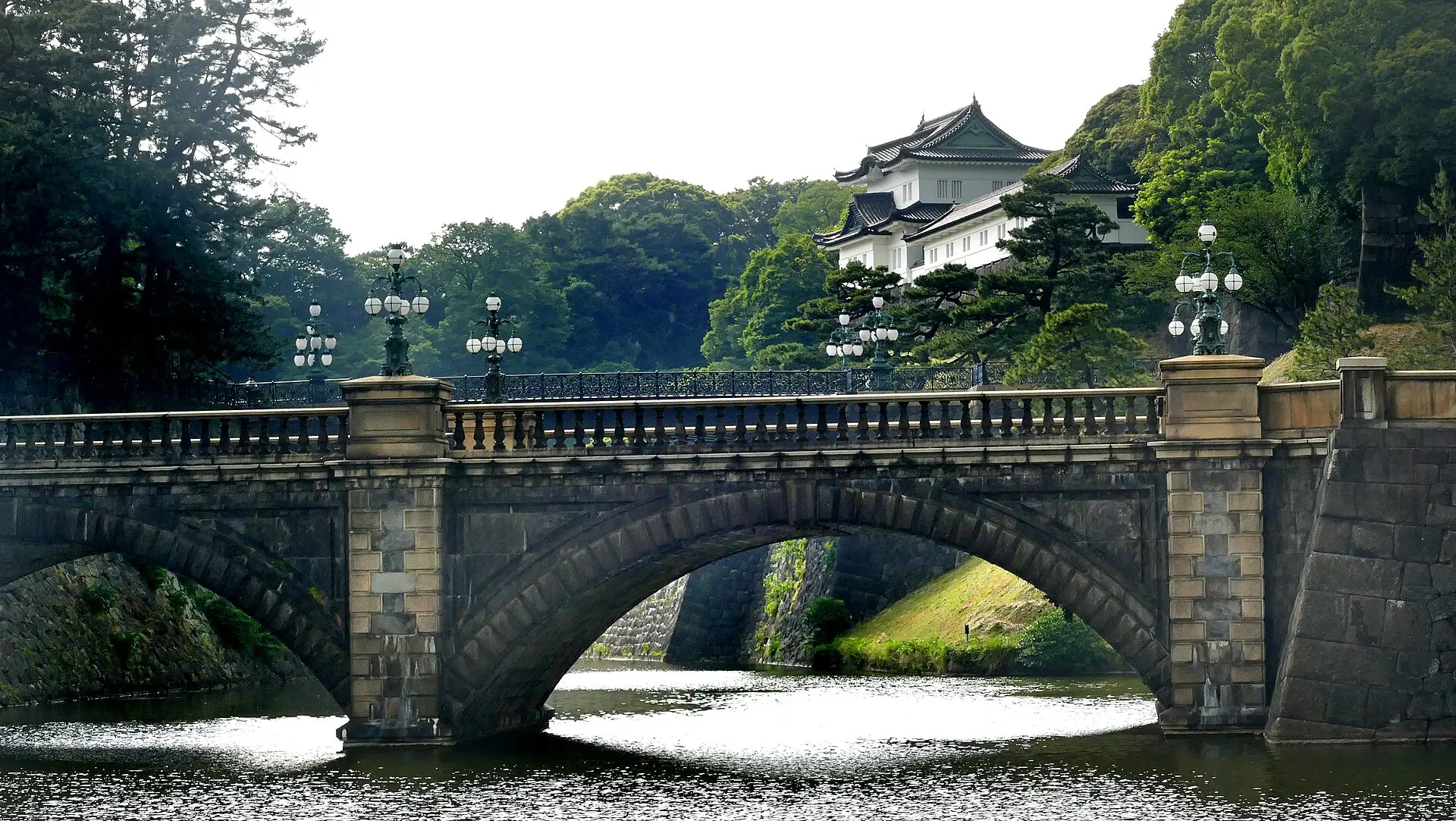
The East Garden lies on parts of the former Edo Castle, has been open to the public since 1968 and costs no admission. It stays closed on Mondays and Fridays, but is open on public holidays except 23 February; after a public holiday on a Monday it closes on Tuesday instead. It is also closed from 28 December to 3 January. In October it is open from 9:00 to 16:30, from November to February until 16:00, with entry until 30 minutes before closing (as of September 2026). Bags and luggage are checked at the entrance; large items are better left at the hotel or in a locker at the station.
Skytree and Tokyo Tower: prices by day and purchase route
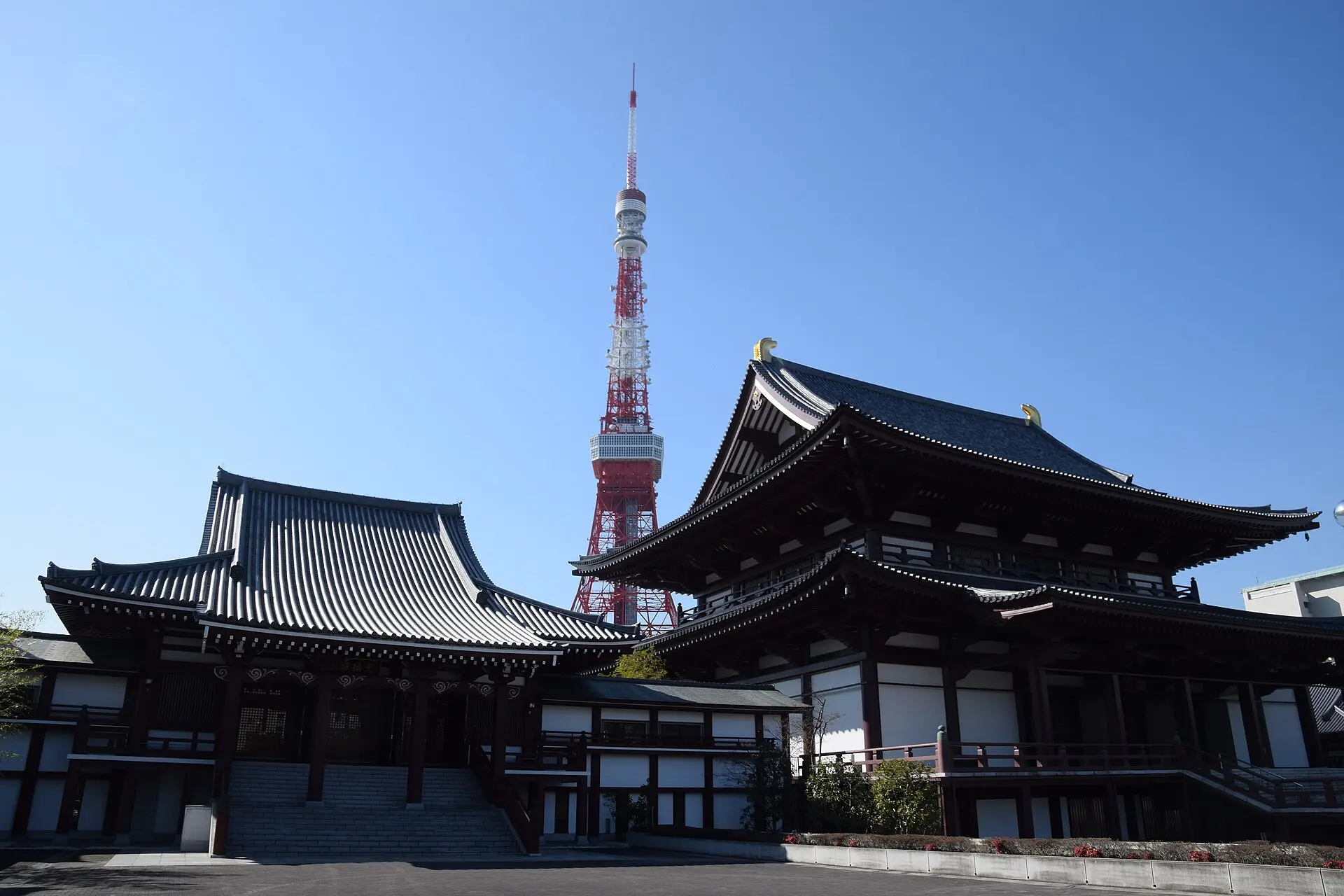
At Tokyo Skytree, the Tembo Deck at 350 m costs from 1,800 yen, and with the Tembo Galleria at 450 m from 3,000 yen. The price depends on the day of the visit. If you only buy at the counter or machine on the 4th floor, you pay a surcharge of 500 yen per ticket (as of September 2026). The Main Deck of Tokyo Tower at 150 m costs 1,500 yen and is open from 9:00 to 23:00, with last entry at 22:30.
Tip
City Hall in Shinjuku: view from 202 m without admission
The observation decks in Tokyo City Hall in Nishi-Shinjuku are 202 m up and cost no admission. The South Tower is open from 9:30 to 22:00, with entry until 21:30, except on the 1st and 3rd Tuesday of the month (as of September 2026). You usually wait 20 to 30 minutes for the lift, but between December and February the view reaches Mount Fuji on many days.
teamLab: tickets only in advance
At teamLab Planets in Toyosu the walk-through leads through water, according to the operator until the end of 2027. Tickets are available only in advance with a fixed entry window; the price list gives 4,200 yen for adults, but the price varies by date (as of September 2026). On individual days it stays closed, in 2026 for example on 1 October and 5 November. teamLab Borderless in Azabudai Hills has shown a permanent exhibition since 9 February 2024. Adults pay 3,600 yen there according to the list, likewise varying by date, and 200 yen more on site.
National Museum of Western Art: Le Corbusier World Heritage Site
The main building in Ueno Park has been part of the UNESCO World Heritage Site “The Architectural Work of Le Corbusier” since 2016. The permanent exhibition costs 500 yen and is usually free on the second Sunday of the month. The museum is closed on Mondays; if a public holiday falls on a Monday, it closes the day after instead (as of September 2026). From 12 January to 19 March 2027 the permanent exhibition is closed for maintenance work.
Excursions: Nikko and Kamakura
The shrines and temples of Nikko have been a UNESCO World Heritage Site since 1999, Mount Fuji since 2013. To Nikko, the Limited Express SPACIA of the Tobu Railway runs from Asakusa without a change in about 1 hour 50 minutes. The Toshogu costs 1,600 yen admission there. According to the tourism association, Kamakura is about an hour from Tokyo; the Great Buddha of Kotoku-in sits there in the open air and costs 300 yen admission (as of September 2026).
Best time to travel: climate in Tokyo month by month
The values come from the Japanese weather service JMA, Tokyo station (25.2 m), averages for the years 1991 to 2020.
| Month | Avg. high | Avg. low | Precipitation | Rain days (from 1 mm) | Hours of sunshine |
|---|---|---|---|---|---|
| January | 9.8 °C | 1.2 °C | 59.7 mm | 4.5 | 192.6 |
| February | 10.9 °C | 2.1 °C | 56.5 mm | 5.2 | 170.4 |
| March | 14.2 °C | 5.0 °C | 116.0 mm | 9.2 | 175.3 |
| April | 19.4 °C | 9.8 °C | 133.7 mm | 9.5 | 178.8 |
| May | 23.6 °C | 14.6 °C | 139.7 mm | 10.1 | 179.6 |
| June | 26.1 °C | 18.5 °C | 167.8 mm | 11.6 | 124.2 |
| July | 29.9 °C | 22.4 °C | 156.2 mm | 10.5 | 151.4 |
| August | 31.3 °C | 23.5 °C | 154.7 mm | 7.9 | 174.2 |
| September | 27.5 °C | 20.3 °C | 224.9 mm | 11.0 | 126.7 |
| October | 22.0 °C | 14.8 °C | 234.8 mm | 10.5 | 129.4 |
| November | 16.7 °C | 8.8 °C | 96.3 mm | 7.4 | 149.8 |
| December | 12.0 °C | 3.8 °C | 57.9 mm | 5.2 | 174.4 |
Swipe the table sideways to see all columns.
On average the daily highs in April, May and November are between 16.7 and 23.6 °C. The rainy season lasts on average from 7 June to 19 July. In August, 30 °C is reached on 22.6 days, and on 9.9 nights the temperature does not fall below 25 °C. In September an average of 1.2 typhoons approach the Kanto-Koshin region, more than in any other month. In winter little rain falls; January, with 192.6 hours of sunshine, is the sunniest month.
The cherry blossoms on Tokyo's observation tree open on average from 24 March, in 2026 already from 19 March.
Costs
The table gives only prices from operators and authorities.
| Item | Price | As of |
|---|---|---|
| Keikyu Haneda Terminal 3 to Shinagawa | 330 yen, 327 yen with an IC card | September 2026 |
| Fixed taxi fare Haneda to Chiyoda | 7,600 yen plus tolls | since 20 April 2026 |
| Keisei Skyliner Narita to Ueno | 2,580 yen | September 2026 |
| N'EX TOKYO Round Trip Ticket | 5,200 yen | September 2026 |
| Tokyo Subway Ticket 24 / 72 hours | 1,000 / 2,000 yen | September 2026 |
| Japan Rail Pass, 7 days, standard class | 50,000 yen online, 53,000 yen via travel agencies abroad | online September 2026, travel agency from 1 October 2026 |
| Skytree, Tembo Deck | from 1,800 yen | September 2026 |
| teamLab Planets, adults | 4,200 yen according to the price list, varies by date | September 2026 |
| Tourist tax | 0, 100 or 200 yen per person per night | September 2026 |
| Departure tax | 3,000 yen per departure, for some tickets bought before 1 July 2026 1,000 yen | since 1 July 2026 |
Swipe the table sideways to see all columns.
Tourist tax: 3% from April 2027
Anyone staying in a hotel or ryokan in Tokyo pays a tax per person per night, measured on the price without meals. Below 10,000 yen nothing is due, up to 14,999 yen it is 100 yen, and from 15,000 yen 200 yen (as of September 2026). From 1 April 2027 the tax is 3% of the accommodation price; below 13,000 yen per person per night it stays tax-free. Guests of private accommodation (minpaku) will then pay too; the interior minister approved the reform on 30 June 2026. Two people staying three nights at 16,000 yen per person per night pay 1,200 yen today, and from April 2027 2,880 yen (own calculation).
Departure and consumption tax
The departure tax of 3,000 yen (since 1 July 2026) is paid through the flight ticket; children under 2 years are exempt. If you bought your ticket before 1 July 2026, you still pay the old rate of 1,000 yen in certain cases. The consumption tax is 10%, and 8% for non-alcoholic food to take away (as of April 2026).
Caution
Tax-free shopping: from 1 November 2026 only against a refund
At tax-free purchases, consumption tax is deducted directly at the till only for purchases up to 31 October 2026. For purchases from 1 November you pay it too and get it back only after the customs check on departure, paid out by the shop or a service it commissions. To do this, within 90 days of purchase you go to the kiosk terminal at the departure airport with your passport and goods, before you check in luggage. A refund is given from 5,000 yen excluding tax per shop and day. If a single item of a receipt is missing at the check, nothing is refunded for the whole receipt.
Practical information
Payment is in yen (JPY). Most shops and restaurants accept Visa, Mastercard and American Express cards. Nevertheless, according to the tourism organisation JNTO, cash is still very common, and some small shops or remote ryokan want only cash yen. At more than 26,000 post office machines you can withdraw with common cards such as Visa, Mastercard or Maestro (as of September 2026).
In Tokyo it is 8 hours later than in Germany, and 7 hours during German summer time (own calculation); Japan does not change the clocks. You reach the police on 110, and the fire brigade and ambulance service on 119. The JNTO Japan Visitor Hotline can be reached around the clock on 050-3816-2787.
The current rules on entry, safety and health are given by the German Foreign Office.
Entry requirements and safety
The rules that apply are published by the German Federal Foreign Office — always up to date there.
Travel and safety advice: Japan (in German) (opens in a new tab)Who this is not for
- If you tolerate heat badly: In August, 30 °C is reached on 22.6 days, and on 9.9 nights the temperature does not fall below 25 °C.
- If you want dry weather: From June to October an average of over 150 mm of rain falls per month.
- If you want to avoid crowds: Senso-ji counts 30 million visitors a year, and at New Year, in Golden Week and around Obon trains and hotels are often fully booked.
- If you want to pay by card only: Smaller shops sometimes take only cash, and you can top up the Welcome Suica only with cash.
- If you want to rely on English: In 2025 only just under half of the foreign guests surveyed were satisfied with communication in foreign languages.
- If you want to drink outdoors in the evening: Around Shibuya station that is forbidden from 18:00 to 5:00, and in Kabukicho and Ueno the police warn of touts for rip-off bars.
Sources and last update
- Federal Statistical Office (Destatis, in German): Statistical report: air traffic at main airports, July 2026, table 46421-09 (opens in a new tab), accessed 27 September 2026
- Train & Monorail, Access (Haneda Airport Passenger Terminal, Japan Airport Terminal Co.) (opens in a new tab), accessed 27 September 2026
- Use International, Flights (Haneda Airport Passenger Terminal) (opens in a new tab), accessed 27 September 2026
- Fare and Time Search (Keikyu, Haneda Airport Access Guide) (opens in a new tab), accessed 27 September 2026
- この駅からの運賃一覧: 羽田空港第3ターミナル駅, PDF (Keikyu) (opens in a new tab), accessed 27 September 2026
- 各駅時刻表: 羽田空港第3ターミナル, 京急蒲田方面, 平日, 2025年12月13日改正 (Keikyu) (opens in a new tab), accessed 27 September 2026
- Information for late night/early morning users (Keikyu, Haneda Airport Access Guide) (opens in a new tab), accessed 27 September 2026
- KEIKYU Hanetoku Ticket & Tokyo Subway Ticket (Keikyu) (opens in a new tab), accessed 27 September 2026
- Access to Haneda Airport: Quick transfers (Tokyo Monorail) (opens in a new tab), accessed 27 September 2026
- 羽田空港第3ターミナル駅 運賃表, PDF (Tokyo Monorail) (opens in a new tab), accessed 27 September 2026
Show all 78 sources
- Timetable Haneda Airport → Shinjuku area (Airport Limousine, Airport Transport Service Co.) (opens in a new tab), accessed 27 September 2026
- Notice of Timetable Revision Effective October 1st (Airport Limousine) (opens in a new tab), accessed 27 September 2026
- 羽田空港定額運賃 / Fixed Fares from / to Haneda Airport, special wards & Musashino/Mitaka, valid from 20 Apr 2026, PDF (Tokyo Hire-Taxi Association) (opens in a new tab), accessed 27 September 2026
- Rail, Access (Narita International Airport Corporation) (opens in a new tab), accessed 27 September 2026
- N'EX (Narita Express) (JR East) (opens in a new tab), accessed 27 September 2026
- N'EX TOKYO Round Trip Ticket (JR East) (opens in a new tab), accessed 27 September 2026
- Skyliner Overview (Keisei Electric Railway) (opens in a new tab), accessed 27 September 2026
- Skyliner: How to Purchase Tickets, Fares (Keisei Electric Railway) (opens in a new tab), accessed 27 September 2026
- LCB (low-cost bus) (Narita International Airport Corporation) (opens in a new tab), accessed 27 September 2026
- Taxi (Narita International Airport Corporation) (opens in a new tab), accessed 27 September 2026
- Tokyo Subway Ticket (Tokyo Metro) (opens in a new tab), accessed 27 September 2026
- 1-Day Open Tickets (Tokyo Metro) (opens in a new tab), accessed 27 September 2026
- Tap to Ride Service (Tokyo Metro) (opens in a new tab), accessed 27 September 2026
- 無記名の「Suica」・「PASMO」カード発売の再開に関するお知らせ, 18 Feb 2025, PDF (JR East, PASMO協議会, Tokyo Waterfront Area Rapid Transit) (opens in a new tab), accessed 27 September 2026
- Suica: Price, How to Use, Refunds (JR East) (opens in a new tab), accessed 27 September 2026
- 大人用PASMO(無記名・記名)のご購入 (PASMO Co., Ltd.) (opens in a new tab), accessed 27 September 2026
- Welcome Suica: Purchasing and Using (JR East) (opens in a new tab), accessed 27 September 2026
- TOURIST PASMO (PASMO Co., Ltd.) (opens in a new tab), accessed 27 September 2026
- Types and prices (JAPAN RAIL PASS, JR Group) (opens in a new tab), accessed 27 September 2026
- A guide to Shinjuku (GO TOKYO, Tokyo Convention & Visitors Bureau) (opens in a new tab), accessed 27 September 2026
- Shibuya – the epicenter of modern Japanese culture (GO TOKYO) (opens in a new tab), accessed 27 September 2026
- A guide to Asakusa (GO TOKYO) (opens in a new tab), accessed 27 September 2026
- A guide to Ginza (GO TOKYO) (opens in a new tab), accessed 27 September 2026
- Ueno travel guide (GO TOKYO) (opens in a new tab), accessed 27 September 2026
- Tokyo Station & Marunouchi area travel guide (GO TOKYO) (opens in a new tab), accessed 27 September 2026
- A guide to Roppongi (GO TOKYO) (opens in a new tab), accessed 27 September 2026
- Crime prevention tips in entertainment and nightlife districts (Tokyo Metropolitan Police Department) (opens in a new tab), accessed 27 September 2026
- 渋谷駅周辺地域の安全で安心な環境の確保に関する条例の一部改正について(令和6年10月施行) (Shibuya City) (opens in a new tab), accessed 27 September 2026
- 令和7年 国・地域別外国人旅行者行動特性調査の結果, press release 30 Jun 2026 (Tokyo Metropolitan Government) (opens in a new tab), accessed 27 September 2026
- Japan – Properties inscribed on the World Heritage List (UNESCO World Heritage Centre) (opens in a new tab), accessed 27 September 2026
- The National Museum of Western Art, Tokyo (home page) (opens in a new tab), accessed 27 September 2026
- General Information (The National Museum of Western Art) (opens in a new tab), accessed 27 September 2026
- Asakusa Kannon Senso-ji (English) (Senso-ji) (opens in a new tab), accessed 27 September 2026
- 浅草寺について (Senso-ji) (opens in a new tab), accessed 27 September 2026
- Sensoji Temple (Asakusa Kannon) (GO TOKYO) (opens in a new tab), accessed 27 September 2026
- Nakamise (GO TOKYO) (opens in a new tab), accessed 27 September 2026
- Opening hours & Admission (Meiji Jingu) (opens in a new tab), accessed 27 September 2026
- Q&A (Meiji Jingu) (opens in a new tab), accessed 27 September 2026
- The East Gardens of the Imperial Palace in Tokyo (Imperial Household Agency) (opens in a new tab), accessed 27 September 2026
- Tickets & Prices (TOKYO SKYTREE) (opens in a new tab), accessed 27 September 2026
- Fees / Business hours (Tokyo Tower) (opens in a new tab), accessed 27 September 2026
- teamLab Planets TOKYO, Toyosu (teamLab) (opens in a new tab), accessed 27 September 2026
- teamLab Borderless TOKYO, Azabudai Hills (teamLab) (opens in a new tab), accessed 27 September 2026
- 展望室のご利用案内 (Tokyo Metropolitan Government, Bureau of Finance) (opens in a new tab), accessed 27 September 2026
- 拝観時間・料金 (Nikko Toshogu) (opens in a new tab), accessed 27 September 2026
- Access Information: Nikko (Tobu Railway) (opens in a new tab), accessed 27 September 2026
- Kamakura Official Tourist Guide (Kamakura City Tourist Association) (opens in a new tab), accessed 27 September 2026
- Kotoku-in, The Great Buddha of Kamakura (Kotoku-in) (opens in a new tab), accessed 27 September 2026
- 平年値(年・月ごとの値)東京 – 主な要素 (Japan Meteorological Agency) (opens in a new tab), accessed 27 September 2026
- 平年値(年・月ごとの値)東京 – 詳細(気圧・降水量) (Japan Meteorological Agency) (opens in a new tab), accessed 27 September 2026
- 平年値(年・月ごとの値)東京 – 詳細(気温・蒸気圧・湿度) (Japan Meteorological Agency) (opens in a new tab), accessed 27 September 2026
- 過去の気象データ検索: 地点の選択, 東京都 (Japan Meteorological Agency) (opens in a new tab), accessed 27 September 2026
- 令和8年の梅雨入りと梅雨明け(速報値) (Japan Meteorological Agency) (opens in a new tab), accessed 27 September 2026
- 台風の平年値 (Japan Meteorological Agency) (opens in a new tab), accessed 27 September 2026
- さくらの開花日(2021-2026年) (Japan Meteorological Agency) (opens in a new tab), accessed 27 September 2026
- 宿泊税 (Tokyo Metropolitan Government, Bureau of Taxation) (opens in a new tab), accessed 27 September 2026
- 宿泊税の見直し (Tokyo Metropolitan Government, Bureau of Taxation) (opens in a new tab), accessed 27 September 2026
- No.7195 国際観光旅客税のあらまし (National Tax Agency) (opens in a new tab), accessed 27 September 2026
- No.6303 消費税および地方消費税の税率 (National Tax Agency) (opens in a new tab), accessed 27 September 2026
- 【旅行者向け】新制度(リファンド方式)特設ページ (Japan Tourism Agency) (opens in a new tab), accessed 27 September 2026
- ISO 4217 Currency Code List One, XML (SIX, ISO 4217 Maintenance Agency), published 17 Sep 2026 (opens in a new tab), accessed 27 September 2026
- よくある質問: その他 (NICT, 日本標準時グループ) (opens in a new tab), accessed 27 September 2026
- 暦Wiki: 時刻/夏時刻 (National Astronomical Observatory of Japan, 暦計算室) (opens in a new tab), accessed 27 September 2026
- § 4 Units and Time Act, statutory time (Federal Ministry of Justice, in German) (opens in a new tab), accessed 27 September 2026
- Emergency information guide (Japan National Tourism Organization) (opens in a new tab), accessed 27 September 2026
- FAQ (Japan National Tourism Organization) (opens in a new tab), accessed 27 September 2026
- 2025年(令和7年)訪都旅行者数等の実態調査結果 (Tokyo Metropolitan Government, Bureau of Industrial and Labor Affairs) (opens in a new tab), accessed 27 September 2026
- Japan: travel and safety advice (German Foreign Office, in German) (opens in a new tab), accessed 27 September 2026
Information last checked on 28 September 2026.
Found a mistake? Write to us — we’ll correct it and note it here.