Research guide · Japan
Japan 2026: getting there, regions, Shinkansen, best time to travel and new taxes
Planning Japan: routes from Haneda, Narita and Kansai, eight regions compared, climate in Tokyo and Naha, Shinkansen, Rail Pass and the new 2026 taxes.
By Nighthopper editorial teamCreated with AITranslated with AIPublished 11 min read
How this article was made
This English version was translated from the German original with AI and has not been reviewed by a person. The checks described here refer to the German original, which is authoritative.
Text created with AI and checked with AI against the sources listed. Approved by Simon Misiak on .
Editorially responsible: Saimon Misiaki (Simon Misiak).
At a glance
- In 2025, 865,588 passengers flew from the main German airports to Japan, ranking 26th of 211 destination countries (Federal Statistical Office, own analysis).
- Shinkansen Tokyo–Shin-Osaka: about 2 hours 30 minutes on the “Nozomi”, one way with a reserved seat 14,720 yen in the standard season (as of September 2026).
- Japan Rail Pass for 7 days: 50,000 yen online, 53,000 yen via travel agencies abroad from 1 October 2026.
- Kyoto: tourist tax since 1 March 2026 of 200 to 10,000 yen per person and night, graded by the accommodation price.
- Departure tax: since 1 July 2026 3,000 yen per departure, paid with the ticket.
- Tax-free shopping: for purchases from 1 November 2026 you pay the consumption tax in the shop; it is refunded only after customs confirmation on departure.
Japan suits you if you want to combine big city, temples and castles and like travelling long distances by train. UNESCO lists 27 World Heritage Sites in the country (as of September 2026). Between Tokyo and Osaka the Shinkansen takes about two and a half hours.
What is new in 2026 is above all levies. On 1 March Kyoto raised the maximum rate of its tourist tax from 1,000 to 10,000 yen, and since 1 July the departure tax has been 3,000 yen. From 1 November a refund procedure applies to tax-free shopping. Newly on the World Heritage List are the ancient capitals of Asuka and Fujiwara in Nara Prefecture.
Japan suits you less if you avoid heat or have to make firm plans in late summer. In August Tokyo reaches a mean daily high of 31.3 °C. In August and September an average of 3.3 typhoons each also approach the country (Japan Meteorological Agency, 1991–2020).
Advice from the German Federal Foreign Office
The German Foreign Office warns against stays in the evacuated areas designated by the Japanese government around the Fukushima Daiichi nuclear power plant in the north-east of the island of Honshu. According to the Foreign Office, parts of the towns of Futaba, Iitate, Katsurao, Minamisōma, Namie, Okuma and Tomioka are affected.
AI-generated summary of the German Federal Foreign Office’s travel and safety advice for Japan, version of 7 July 2026. It simplifies and may be incomplete: before you travel, also read the Foreign Office’s original text (in German).
Original text from the German Federal Foreign Office (in German) (opens in a new tab)Getting there from Germany
At the 22 main German airports, a total of 865,588 passengers boarded in 2025 with a last known destination of Japan, ranking 26th among 211 destination countries (Federal Statistical Office, own analysis, excluding passengers changing planes abroad). Most flew to Tokyo Haneda (518,825), then to Tokyo Narita (174,246) and Osaka Kansai (122,851). They departed mainly from Frankfurt (446,322) and Munich (273,766), followed at a distance by Berlin (47,279) and Düsseldorf (40,574).
Flight delayed or cancelled?Check whether you’re owed money under the EU air passenger rights regulation — with every step of the check in plain language.Tokyo Haneda: Keikyu and monorail
The Keikyu line and Tokyo Monorail stop right at the airport (as of September 2026). According to the fare page, Keikyu takes eleven minutes to Shinagawa from Terminal 3 and fourteen from Terminal 1·2. According to the operator, there are on average five minutes between two monorail trains to Hamamatsucho.
Only Haneda passengers can get a combined ticket online in advance: Keikyu to Sengakuji and back plus 72 hours of Tokyo Metro and Toei for 2,600 yen (adults, as of September 2026).
Tokyo Narita: Skyliner in 41 minutes
Terminal 1 has its own station, “Narita Airport”, five minutes away on foot. Terminals 2 and 3 share the station “Narita Airport Terminal 2·3” (five and ten minutes on foot respectively). For Ueno–Terminal 2·3 the Keisei Skyliner takes 41 minutes, according to the operator. From Keisei-Ueno or Nippori adults pay a fare of 1,280 yen plus a surcharge of 1,300 yen, together 2,580 yen (own calculation, as of September 2026).
The Skyliner ticket with seat reservation is available from one month before the journey. If you do not buy it beforehand, adults pay 300 yen more in surcharge.
Osaka Kansai: rapi:t to Namba
From Kansai Airport to Namba the Nankai rapi:t train takes at least 34 minutes (as of September 2026). The “Rapi:t Digital Ticket” (fare plus surcharge, regular seat) costs adults 1,410 yen. Bought on the train, the surcharge is 300 yen more expensive, and the same applies to children. JNTO reckons about an hour and a half to Kyoto from Kansai and about one hour from Osaka Itami.
Return flight: departure tax and tax refund
Since 1 July 2026 a departure tax of 3,000 yen per departure has been levied with the ticket; children under 2 years pay nothing.
Tip
Tax-free shopping: refund only after customs confirmation
On 1 November 2026 tax-free shopping changes in Japan: in the shop you first pay the price including consumption tax. You get it back from the shop or its refund service after customs has confirmed the export on departure. For this you show your passport at a terminal on departure, before you check in luggage and no later than 90 days after the purchase. Below 5,000 yen excluding tax per shop and day, nothing is refunded.
Regions and destinations at a glance
| Region/place | Known for | Airport/access | Drawback |
|---|---|---|---|
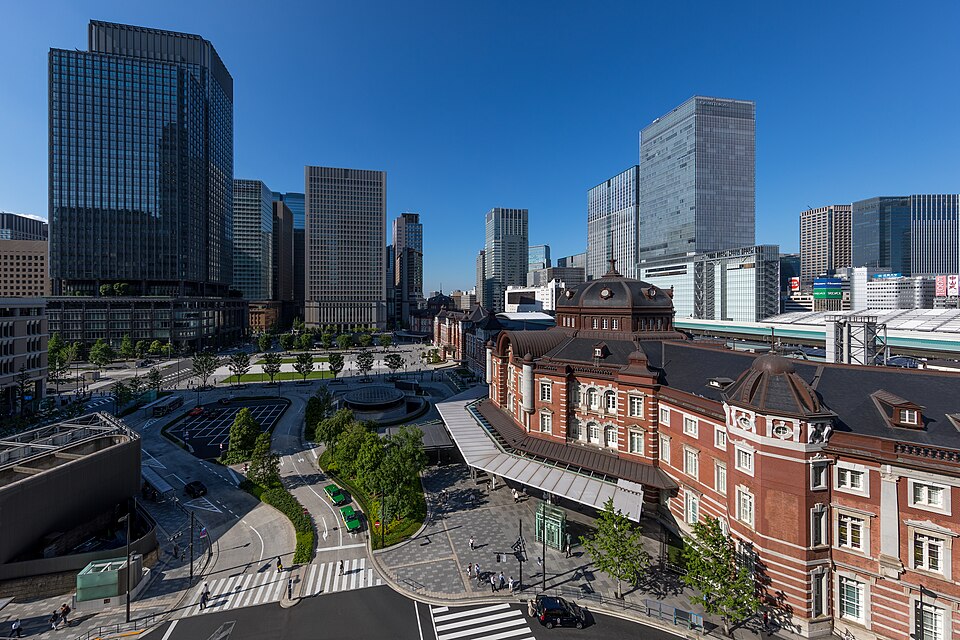
| Tokyo | shopping in Ginza, Harajuku, Shibuya; Senso-ji temple | Haneda (HND), Narita (NRT) | hot, humid summers; August mean 31.3 °C |
| Kyoto | shrines, temples, ryokan; World Heritage 1994 | Shinkansen from Tokyo 2 h 15 min | tourist tax up to 10,000 yen |
| Osaka and Himeji | Dotonbori, castle park, Himeji Castle (World Heritage 1993) | Kansai (KIX); Himeji from Shin-Osaka about 30 min by Shinkansen | Himeji Castle has no air conditioning |
| Nara | Horyu-ji, Todai-ji, around 1,000 tame deer; World Heritage 1993, 1998, 2026 | Itami or Kansai, about 1 h 15 min | — |
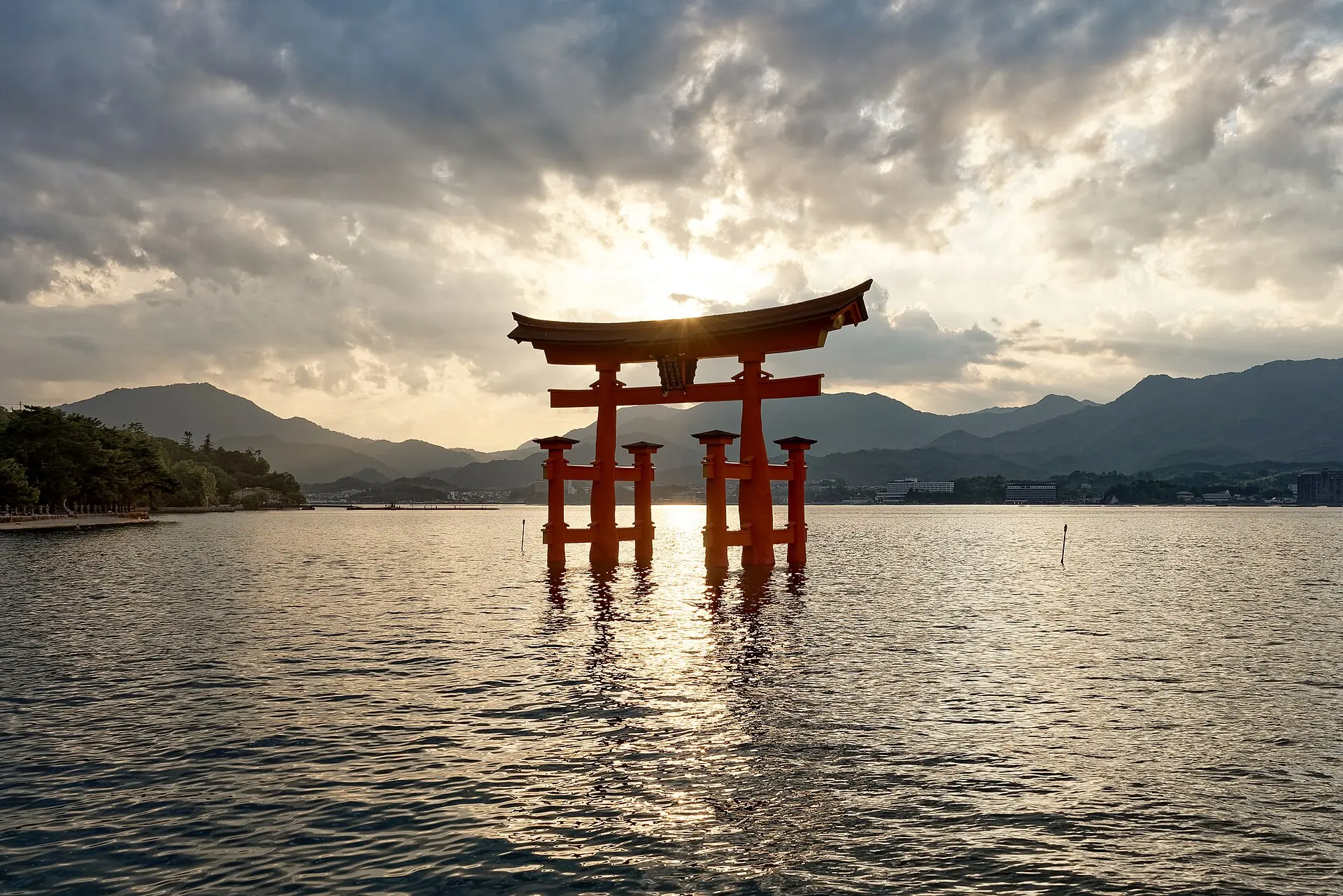
| Hiroshima and Miyajima | Peace Park, torii in the water; World Heritage 1996 | Hiroshima airport, bus under 1 h | museum limits admission when crowded |
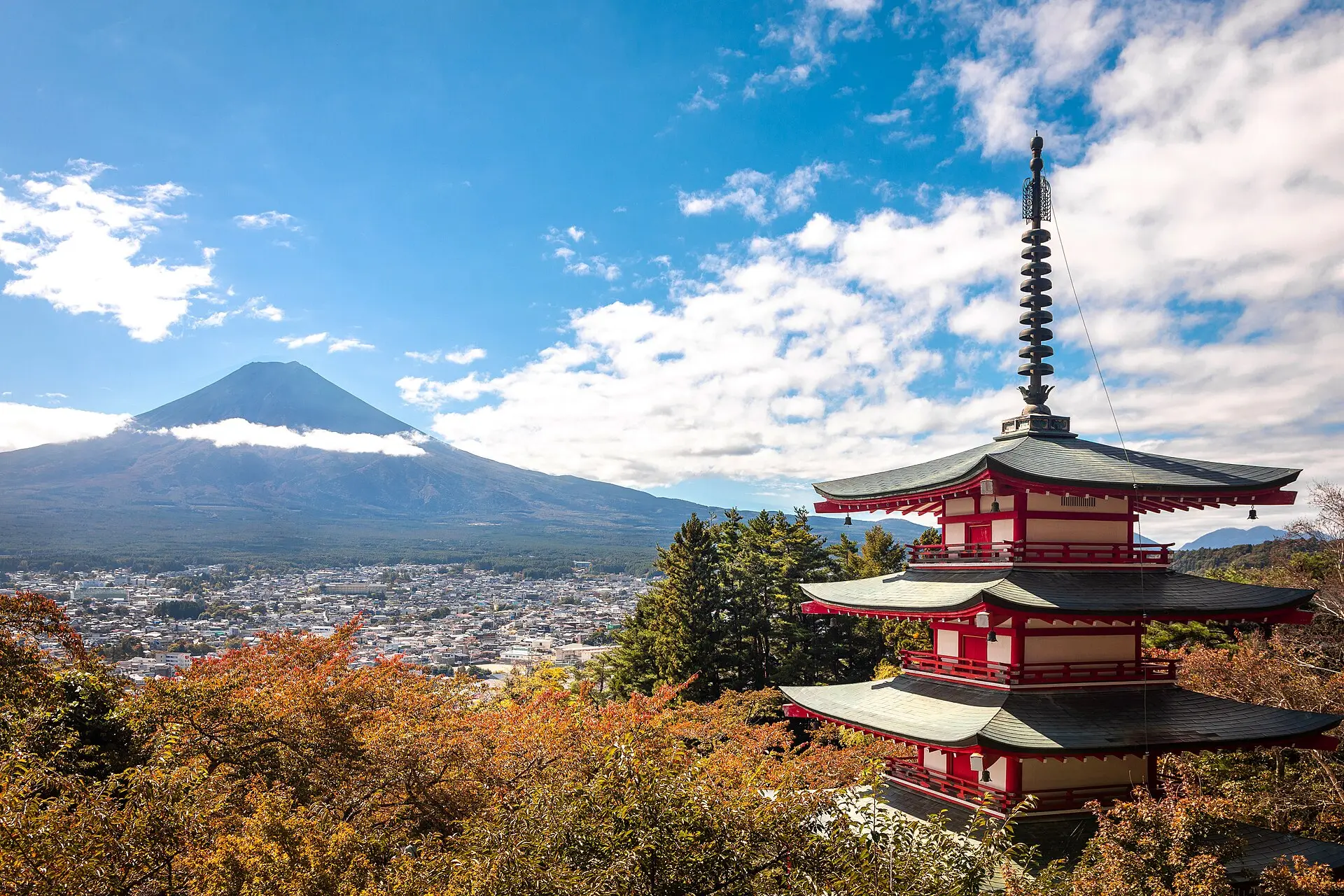
| Mount Fuji | climbing in summer; World Heritage 2013 | four ascent routes | in 2026 open only until 10 September |
| Hokkaido | skiing in Niseko and Rusutsu, lavender in Furano | New Chitose (CTS), flight from Tokyo about 90 min | Sapporo in January mean high −0.4 °C |
| Okinawa | beaches, coral reefs, Churaumi Aquarium; World Heritage 2000, 2021 | Naha (OKA), usually from Tokyo or Osaka | typhoons most frequent in August |
Swipe the table sideways to see all columns.
Kyoto and Nara
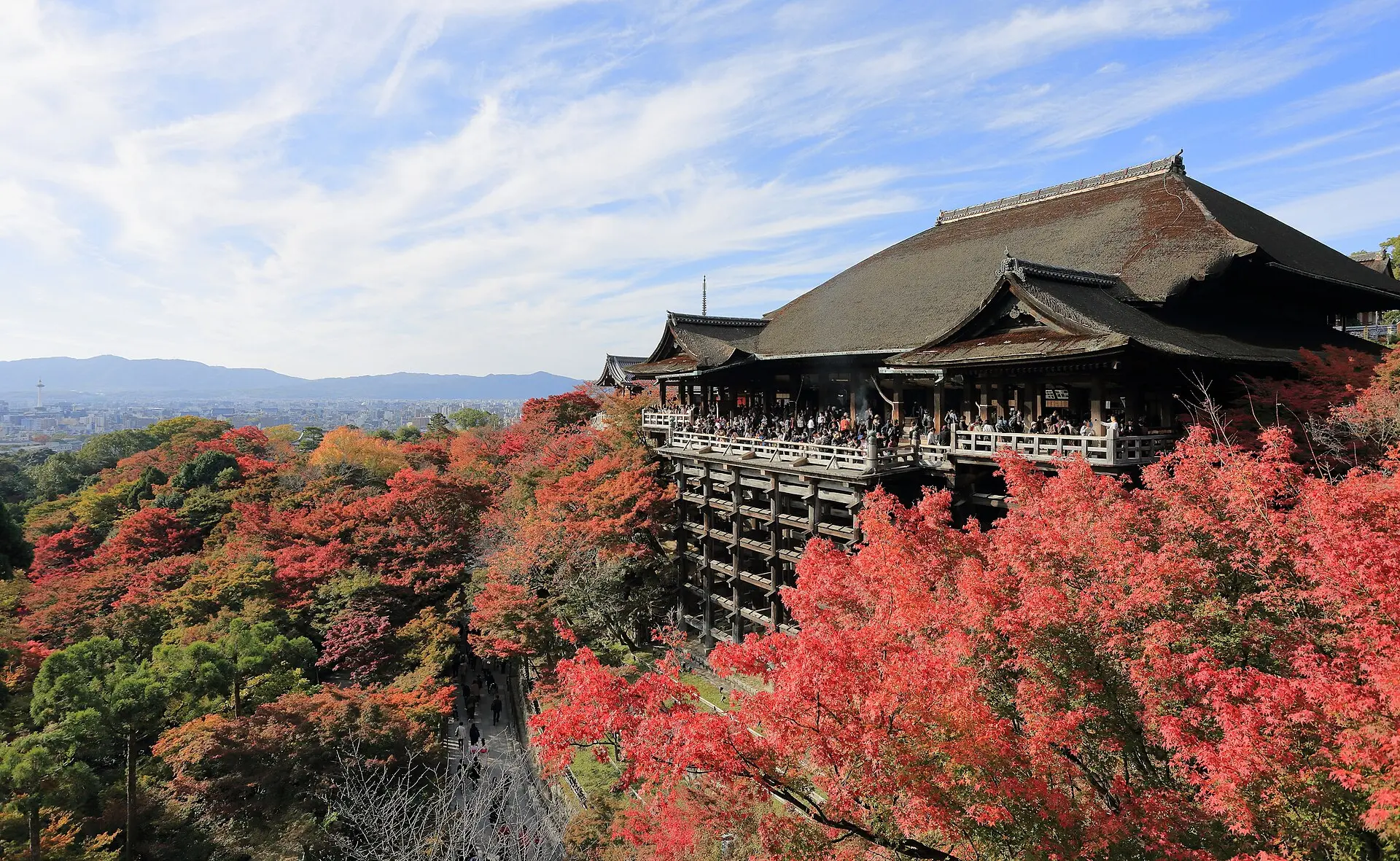
Smoking in the street in central Kyoto costs a fine, according to JNTO, unless you are standing at a smoking area. This applies, for example, around the station, in Gion and at Kiyomizu. In Nara's park live around 1,000 tame deer. The Great Buddha Hall of Todai-ji costs adults 800 yen (as of September 2026). It opens from April to October 7:30 to 17:30, from November to March 8:00 to 17:00.
Osaka and Himeji
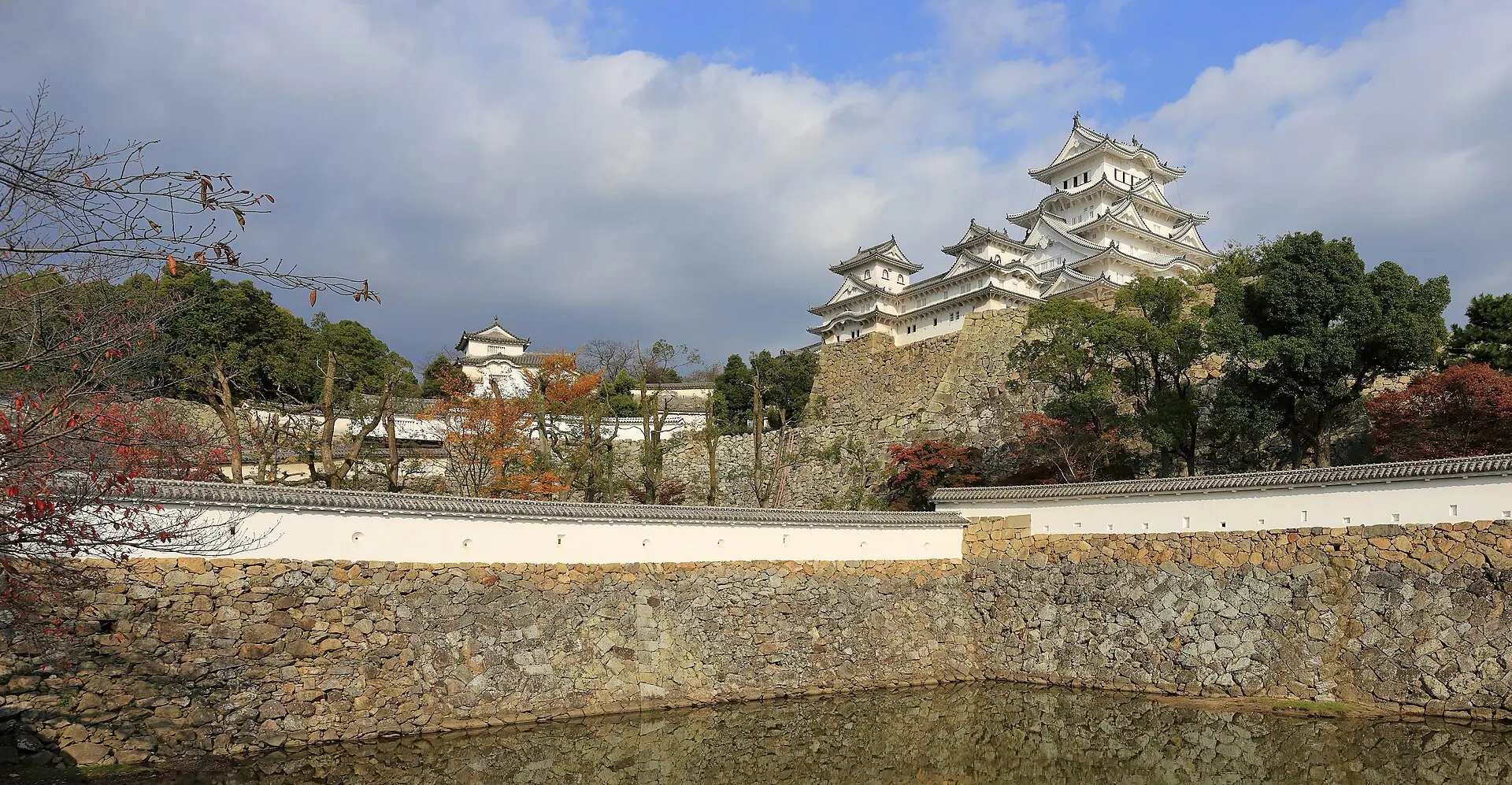
From Osaka, Namba and Tennoji stations you sit on the train for about an hour each to Kobe, Kyoto, Nara or Wakayama, according to JNTO. Himeji Castle costs 2,500 yen from the age of 18 and is open from 9:00 to 17:00, with admission until 16:00 (as of September 2026). In the castle you have to manage without a lift, escalator and air conditioning. Outdoor shoes are forbidden in the main keep, so shoe bags and thick socks belong in your luggage.
Hiroshima and Miyajima
The Peace Memorial Museum in Hiroshima costs adults 200 yen. The museum advises buying a web ticket in advance, because things can take a while at the day box office. When it is very crowded, admission is temporarily throttled. To Miyajima it is about 30 minutes from Hiroshima by JR to Miyajimaguchi and then around 10 minutes by ferry. With the ferry fare you also pay 100 yen visitor tax since 1 October 2023; Itsukushima Shrine costs 300 yen (as of September 2026).
Mount Fuji
On Mount Fuji the ascent routes were open in 2026, depending on the route, from 1 or 10 July to 10 September. A hiking fee of 4,000 yen and registration are mandatory, possible in advance in the web system. Between 14:00 and 3:00 only those who are staying overnight in a hut may climb. For huts and toilets the official site suggests cash and 100-yen coins.
View package holidaysHotel and flight as a package: dates and current prices for this destination.Best time to travel
| Month | Tokyo: mean °C max / min · mm | Naha: mean °C max / min · mm |
|---|---|---|
| January | 9.8 / 1.2 · 59.7 | 19.8 / 14.9 · 101.6 |
| February | 10.9 / 2.1 · 56.5 | 20.2 / 15.1 · 114.5 |
| March | 14.2 / 5.0 · 116.0 | 21.9 / 16.7 · 142.8 |
| April | 19.4 / 9.8 · 133.7 | 24.3 / 19.1 · 161.0 |
| May | 23.6 / 14.6 · 139.7 | 27.0 / 22.1 · 245.3 |
| June | 26.1 / 18.5 · 167.8 | 29.8 / 25.2 · 284.4 |
| July | 29.9 / 22.4 · 156.2 | 31.9 / 27.0 · 188.1 |
| August | 31.3 / 23.5 · 154.7 | 31.8 / 26.8 · 240.0 |
| September | 27.5 / 20.3 · 224.9 | 30.6 / 25.8 · 275.2 |
| October | 22.0 / 14.8 · 234.8 | 28.1 / 23.5 · 179.2 |
| November | 16.7 / 8.8 · 96.3 | 25.0 / 20.4 · 119.1 |
| December | 12.0 / 3.8 · 57.9 | 21.5 / 16.8 · 110.0 |
Swipe the table sideways to see all columns.
The values are means for 1991–2020 from the Japan Meteorological Agency, measured in Tokyo (25.2 m) and in Naha on Okinawa (28.1 m). The rainy season lasts on average around Tokyo and in Kansai from early June until about 19 July, and on Okinawa from 10 May to 21 June.
In the north it gets cold: in Sapporo the mean daily high in January is −0.4 °C, and on average 137 cm of fresh snow falls in January.
Getting around the country
Train and bus
Between Tokyo and Shin-Osaka the “Nozomi” Shinkansen takes about 2 hours 30 minutes. One way with a reserved seat, adults pay 14,720 yen in the standard season (as of September 2026). Until March 2027 the reserved seat costs 200 or 400 yen more on busy travel days and 200 yen less on quiet ones.
On eight peak periods a year, all “Nozomi” trains run with reserved seats only. In 2026 this still concerns 10 to 12 October, 21 to 23 November and the period from 25 December to 5 January.
Tip
Large suitcase on the Shinkansen: book a seat with luggage space
Suitcases over 160 cm (sum of the three sides) need a reserved seat in the last row on the Tokaido, Sanyo and Kyushu Shinkansen, behind which luggage has room. The railway charges no extra for this. If you have not booked, it charges 1,000 yen for the suitcase, and luggage over 250 cm is banned altogether (as of September 2026).
The Japan Rail Pass costs 50,000 yen for 7 days online in standard class, and 53,000 yen via travel agencies abroad from 1 October 2026 (as of September 2026). “Nozomi” and “Mizuho” can be used with the pass only with an additional special ticket.
Tip
Rail Pass: add up the routes first
Tokyo–Shin-Osaka and back costs 2 × 14,720 = 29,440 yen on the “Nozomi” in the standard season. That is 20,560 yen less than the 7-day pass for 50,000 yen (own calculation, as of September 2026). The pass only pays off with significantly more long-distance journeys.
Long-distance coaches run by day and by night, according to JNTO.
Domestic flights
For Tokyo–Sapporo the plane saves a lot of time: about 90 minutes to New Chitose instead of about eight hours by train. You reach Okinawa via Naha, usually on a flight from Tokyo or Osaka. A monorail links Naha airport to the city and to Shuri (as of September 2026).
Car and roads
In Japan people drive on the left. Without a sign, the limit for cars is 100 km/h on the motorway and 60 km/h elsewhere (as of September 2026). A German driving licence is valid only with a Japanese translation, for example from the automobile club JAF, and for a maximum of one year from entry. As an example of tolls JNTO gives about 10,070 yen for Tokyo–Kyoto, depending on the route. According to JNTO you should not drive into snow areas without winter tyres or chains.
Money and costs
Payment is in yen. You can withdraw money at more than 26,000 post office ATMs, also with a credit card or Maestro. You need cash in smaller shops, remote ryokan and some taxis, for example. Credit cards are usually no problem in shops and restaurants, according to JNTO, and Visa, Mastercard and American Express are mentioned (as of September 2026).
| Item | Price | As of |
|---|---|---|
| Japan Rail Pass, 7 days | 50,000 yen online, 53,000 yen abroad | September 2026; abroad from 1 October 2026 |
| Himeji Castle | 2,500 yen | September 2026 |
| Todai-ji, Great Buddha Hall | 800 yen | September 2026 |
| Fuji hiking fee | 4,000 yen | 2026 season |
| Departure tax | 3,000 yen per departure | since 1 July 2026 |
| Tourist tax Kyoto | 200 to 10,000 yen per person and night | since 1 March 2026 |
| Tourist tax Tokyo | 0 to 200 yen per person and night | September 2026 |
Swipe the table sideways to see all columns.
Tourist taxes in Kyoto and Tokyo
Since 1 March 2026 the following rates apply in Kyoto per person and night, graded by the accommodation price excluding meals and consumption tax:
- under 6,000 yen: 200 yen
- 6,000 to 19,999 yen: 400 yen
- 20,000 to 49,999 yen: 1,000 yen
- 50,000 to 99,999 yen: 4,000 yen
- from 100,000 yen: 10,000 yen
In Tokyo the price per person and night counts: below 10,000 yen nothing is due, up to 14,999 yen it is 100 yen, from 15,000 yen 200 yen (as of September 2026). From 1 April 2027 Tokyo switches to 3%, due from 13,000 yen.
Practical information
Japan is at UTC plus 9 hours and knew daylight saving time only from 1948 to 1951. In the German winter it is therefore 8 hours later there, and during German summer time 7 (own calculation, as of September 2026). Emergency number: 119 for fire brigade and ambulance, 110 for the police. The Japan Visitor Hotline of JNTO helps around the clock on 050-3816-2787 in English, Chinese and Korean.
According to JNTO, the mains supply is 100 volts nationwide, at 50 Hz in the east and 60 Hz in the west (as of September 2026). Plugs from Germany fit only with a travel adapter, according to ADAC. The EU rule “Roam like at home” does not apply in Japan. Golden Week 2027 includes the public holidays on 29 April and from 3 to 5 May.
What applies to entry, safety and health is currently set out by the German Foreign Office.
Entry requirements and safety
The rules that apply are published by the German Federal Foreign Office — always up to date there.
Travel and safety advice: Japan (in German) (opens in a new tab)Who Japan is not for
- Anyone who does not cope well with heat: Tokyo reaches a mean daily high of 29.9 °C in July and 31.3 °C in August.
- Anyone who has to make firm plans in late summer: in August and September an average of 3.3 typhoons each approach Japan.
- Anyone who wants dry weather in early summer: the rainy season lasts on average until about 19 July around Tokyo and in Kansai.
- Anyone who wants to pay by card only: some shops, ryokan and taxis take only cash.
- Anyone on a tight budget: Kyoto charges up to 10,000 yen tourist tax per person and night, and leaving the country costs 3,000 yen.
- Anyone who wants to take the Shinkansen spontaneously in holiday periods: at eight peak periods a year all “Nozomi” trains run with reservations only.
Sources and last update
- Statistical report: air traffic at main airports, July 2026, table 46421-09 “Boarding passengers by destination airport (last known destinations)” (Federal Statistical Office (Destatis), in German) (opens in a new tab), accessed 26 September 2026
- Japan: travel and safety advice (German Foreign Office, in German) (opens in a new tab), accessed 26 September 2026
- Train & Monorail, Access (Haneda Airport Passenger Terminal, Japan Airport Terminal Co.) (opens in a new tab), accessed 26 September 2026
- Fare and Time Search (Keikyu, Haneda Airport Access Guide) (opens in a new tab), accessed 26 September 2026
- Route search Haneda Airport Terminal 3 → Shinagawa, 29 Sep 2026, 10:00 (Keikyu Norikae) (opens in a new tab), accessed 26 September 2026
- Access to Haneda Airport (Tokyo Monorail) (opens in a new tab), accessed 26 September 2026
- KEIKYU Hanetoku Ticket & Tokyo Subway Ticket (Keikyu) (opens in a new tab), accessed 26 September 2026
- Rail, Access (Narita International Airport) (opens in a new tab), accessed 26 September 2026
- Skyliner: How to Purchase Tickets, Fares (Keisei Electric Railway) (opens in a new tab), accessed 26 September 2026
- Skyliner Overview (Keisei Electric Railway) (opens in a new tab), accessed 26 September 2026
Show all 61 sources
- Limited Express Rapi:t (Nankai Electric Railway) (opens in a new tab), accessed 26 September 2026
- Access from Kansai Airport (Nankai Electric Railway) (opens in a new tab), accessed 26 September 2026
- Rapi:t Digital Ticket (Nankai Electric Railway) (opens in a new tab), accessed 26 September 2026
- Japan – Properties inscribed on the World Heritage List (UNESCO World Heritage Centre) (opens in a new tab), accessed 26 September 2026
- Tokyo (Japan National Tourism Organization) (opens in a new tab), accessed 26 September 2026
- Kyoto (Japan National Tourism Organization) (opens in a new tab), accessed 26 September 2026
- Osaka (Japan National Tourism Organization) (opens in a new tab), accessed 26 September 2026
- Nara (Japan National Tourism Organization) (opens in a new tab), accessed 26 September 2026
- Hiroshima (Japan National Tourism Organization) (opens in a new tab), accessed 26 September 2026
- Hokkaido (Japan National Tourism Organization) (opens in a new tab), accessed 26 September 2026
- Okinawa (Japan National Tourism Organization) (opens in a new tab), accessed 26 September 2026
- Location & Access (Kiyomizu-dera) (opens in a new tab), accessed 26 September 2026
- 宿泊税について (City of Kyoto) (opens in a new tab), accessed 26 September 2026
- Himeji Castle, official website (City of Himeji) (opens in a new tab), accessed 26 September 2026
- Opening Hours / Admission Fees (Todai-ji) (opens in a new tab), accessed 26 September 2026
- Admission (Itsukushima Shrine) (opens in a new tab), accessed 26 September 2026
- Access (Itsukushima Shrine) (opens in a new tab), accessed 26 September 2026
- 宮島訪問税の概要 (City of Hatsukaichi) (opens in a new tab), accessed 26 September 2026
- Hiroshima Peace Memorial Museum (official website) (opens in a new tab), accessed 26 September 2026
- Things to know before climbing (Official Website for Mt. Fuji Climbing, Council for the Promotion of Appropriate Use of Mt. Fuji) (opens in a new tab), accessed 26 September 2026
- Operating period for each facility (2026) (Official Website for Mt. Fuji Climbing) (opens in a new tab), accessed 26 September 2026
- 平年値(年・月ごとの値)東京 (Japan Meteorological Agency) (opens in a new tab), accessed 26 September 2026
- 平年値(年・月ごとの値)那覇 (Japan Meteorological Agency) (opens in a new tab), accessed 26 September 2026
- 平年値(年・月ごとの値)札幌 (Japan Meteorological Agency) (opens in a new tab), accessed 26 September 2026
- 過去の気象データ検索: 地点の選択, 東京都 (Japan Meteorological Agency) (opens in a new tab), accessed 26 September 2026
- 過去の気象データ検索: 地点の選択, 沖縄県 (Japan Meteorological Agency) (opens in a new tab), accessed 26 September 2026
- 令和8年の梅雨入りと梅雨明け(速報値)(Japan Meteorological Agency) (opens in a new tab), accessed 26 September 2026
- 台風の平年値 (Japan Meteorological Agency) (opens in a new tab), accessed 26 September 2026
- Types and prices (JAPAN RAIL PASS, JR Group) (opens in a new tab), accessed 26 September 2026
- 東海道新幹線の停車駅まとめ (JR東海ツアーズ, JR Central Tours) (opens in a new tab), accessed 26 September 2026
- ピーク期間のぞみ全席指定席のご案内 (JR東海, Central Japan Railway) (opens in a new tab), accessed 26 September 2026
- 特急券(シーズン別の指定席特急料金)(JR東海, Central Japan Railway) (opens in a new tab), accessed 26 September 2026
- Oversized baggage (Central Japan Railway) (opens in a new tab), accessed 26 September 2026
- Things to know when renting a car (Japan National Tourism Organization) (opens in a new tab), accessed 26 September 2026
- Traffic Rules in Japan (Japan Automobile Federation, JAF) (opens in a new tab), accessed 26 September 2026
- Drive with a foreign license (Japan Automobile Federation, JAF) (opens in a new tab), accessed 26 September 2026
- Getting Around (Japan National Tourism Organization) (opens in a new tab), accessed 26 September 2026
- FAQ (Japan National Tourism Organization) (opens in a new tab), accessed 26 September 2026
- Emergency information guide (Japan National Tourism Organization) (opens in a new tab), accessed 26 September 2026
- Plugs & Electricity (Japan National Tourism Organization) (opens in a new tab), accessed 26 September 2026
- Japan: good to know (ADAC, in German) (opens in a new tab), accessed 26 September 2026
- よくある質問: その他 (NICT, 日本標準時グループ) (opens in a new tab), accessed 26 September 2026
- § 4 Units and Time Act, statutory time (Federal Ministry of Justice, in German) (opens in a new tab), accessed 26 September 2026
- Roaming charges (Your Europe, European Union, in German) (opens in a new tab), accessed 26 September 2026
- 「国民の祝日」について (Cabinet Office, Government of Japan) (opens in a new tab), accessed 26 September 2026
- 宿泊税 (Tokyo Metropolitan Government, Bureau of Taxation) (opens in a new tab), accessed 26 September 2026
- No.7195 国際観光旅客税のあらまし (National Tax Agency) (opens in a new tab), accessed 26 September 2026
- 【旅行者向け】新制度(リファンド方式)特設ページ (Japan Tourism Agency, 消費税免税店サイト) (opens in a new tab), accessed 26 September 2026
- World Heritage sites in Japan, 世界遺産一覧表記載物件 (Agency for Cultural Affairs, Bunka-cho) (opens in a new tab), accessed 26 September 2026
- Regions of the weather reports, 地域名 (Japan Meteorological Agency) (opens in a new tab), accessed 26 September 2026
- Daylight saving time in Japan 1948–1951, 暦Wiki 夏時刻 (National Astronomical Observatory of Japan) (opens in a new tab), accessed 26 September 2026
Information last checked on 28 September 2026.
Found a mistake? Write to us — we’ll correct it and note it here.